

 Calvin Walker
What does it mean to ban something? In its most simplistic definition, to ban means prohibiting something from ‘existing’ in the world, often pulling in legal measures to ensure action.
Legalities aside, the act of banning starts with psychological manipulation. An artifact must first be deemed dangerous or inappropriate in order for people to feel justified in removing or limiting it from distribution or public consumption. Merriam-Webster uses these examples to talk about banned items: pesticides (lol), discrimination (girl…), and books.
Let’s not get too lost in the sauce, though. When we talk about book banning, challenges are also included. What’s the difference?
A challenge when there is an attempt to remove, restrict, or alter access to a book. A ban is when that effort results in removal or restriction. This can be in a school in your hometown, a library in a city across the country, or any other institution (including prisons) that might grant someone access to literature. Even if a book is only effectively banned in one area, it can continue to be challenged nationally.
The act of banning books has taken place for hundreds of years, so this really is nothing new. However, there’s been a spike in recent years.
In the 90s, book challenges were anywhere between 400 – 700 annually. In 2025, the American Library Association (ALA) tracked 4,235 unique titles challenged in 2025, with almost 6,000 books being completely banned.
The most targeted topic?
- LGBTQIA+ representation
- Race & social justice
- Sexual content/violence
Shocked?
Didn’t think so.
The book that’s repeatedly topped the list of most challenged books in the last few years has been All Boys Aren’t Blue, a memoir by George M. Johnson, a Black, queer writer. Since 2022, this New York Times bestseller has been banned 50+ times in schools, libraries, etc. across the country.
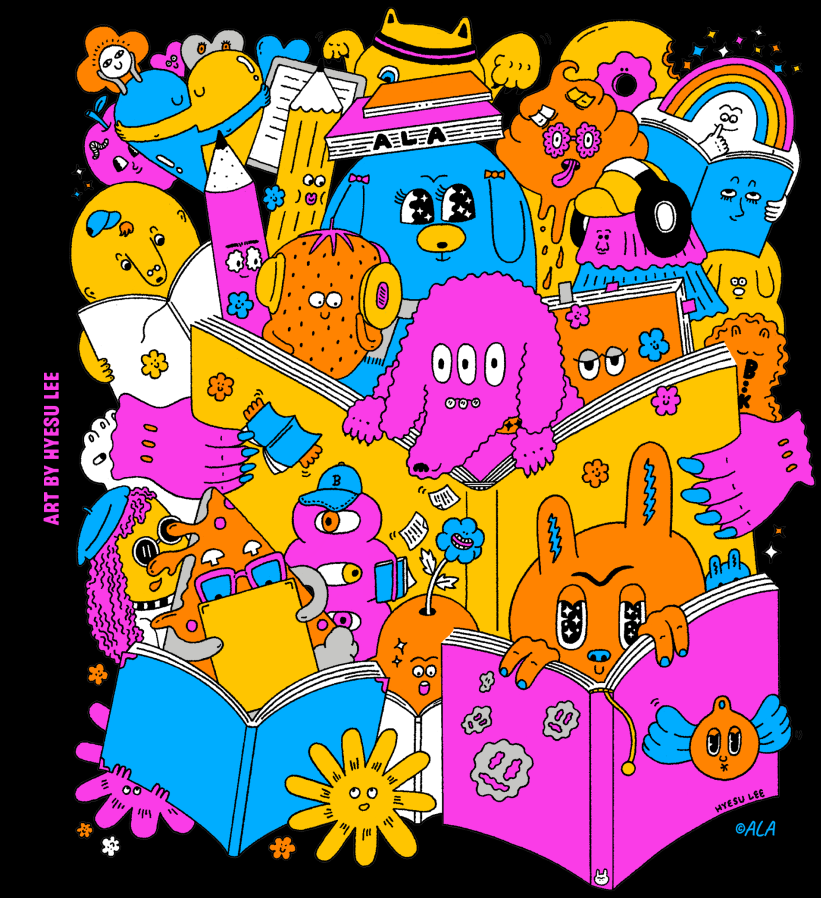
As we step into October, we also welcome back Banned Books Week, an effort to raise awareness around against book censorship. Banned Books Week takes place from October

“Banned Books Week is a celebration of the freedom to read and the joy that comes from discovering stories that expand our understanding of ourselves and one another,” said Sam Helmick, ALA’s President. “Every person has the right to seek information and choose books without censorship. When we say ‘Let Books Be,’ we’re showing up for readers everywhere and reaffirming that libraries are for everyone.”
Let Freedom Read Day closes out the week on October 10 and is a day dedicated to challenging censorship wherever you live. Want to know how you can get involved? Take a look at the action one-sheet HERE and get ready to defend books against censorship.